Guide · 11 min read
The Afternoon Tea Ritual
Five hotels, five entirely different interpretations of a meal that only exists because a duchess got hungry in 1840.
Five hotels, five entirely different interpretations of a meal that only exists because a duchess got hungry in 1840.
Anna Russell, seventh Duchess of Bedford, is generally credited with the invention: dinner at eight was simply too far from lunch, so she began taking tea and a light plate in her rooms at around five o'clock. Within a generation the habit had escaped the aristocracy, and by the time London's grand hotels opened their palm courts and foyers it had become a public performance — one that London has never given up.
In 2026 afternoon tea in a grand hotel costs between £85 and £130 per person before champagne. That is a serious sum for sandwiches, and it buys three things: the room, the service ratio, and the pastry section's time. Where a hotel skimps on any of the three, you notice immediately.
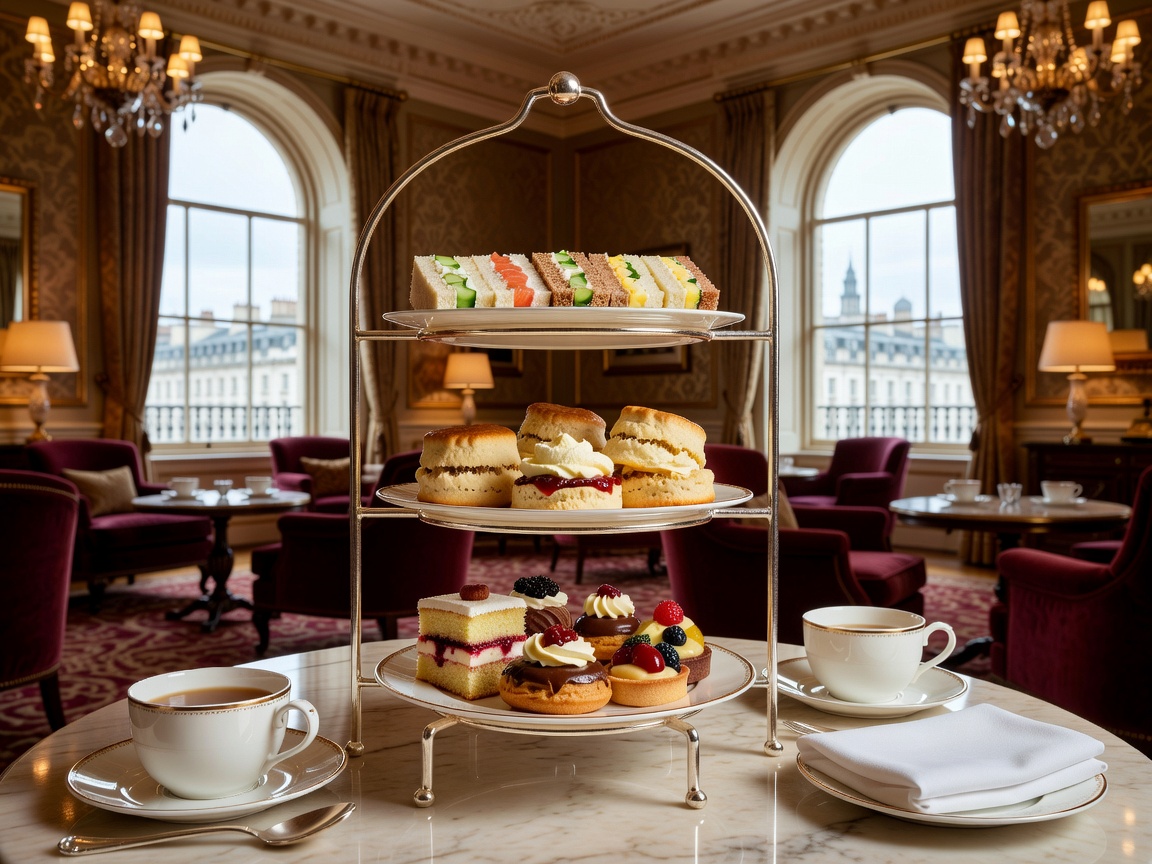
The classical structure has three tiers, served in a fixed order:
Tea itself is where the amateur reveals themselves. Every one of the five keeps a tea sommelier or dedicated tea butler. Ask for a recommendation to follow the sandwiches rather than ordering Earl Grey by reflex; a second-flush Darjeeling or a Yunnan gold will handle the pastry course far better.
| Venue | Character | From (per person) |
|---|---|---|
| The Palm Court, The Ritz | Most ceremonial; five daily sittings; harpist; strict dress code | £85 |
| The Foyer, Claridge's | Most sociable; Chihuly glass; string quartet; Mayfair crowd | £90 |
| Thames Foyer, The Savoy | Most atmospheric; glass cupola; winter-garden gazebo pianist | £95 |
| The Promenade, The Dorchester | Most spacious; served all afternoon; easiest to book | £88 |
| Jean-Georges, The Connaught | Most contemporary; lighter menu; garden outlook | £82 |
All five take a card guarantee and charge for no-shows. All five will accommodate coeliac, vegan and nut-free menus with 48 hours' notice, and the vegan patisserie at Claridge's is genuinely good rather than merely available.
"Tea is the one luxury ritual in London that is still open to anyone willing to book early and dress properly. That is worth protecting."